
Penetration Testing
Find the Vulnerabilities Before the Attackers Do
CrackaJack conducts rigorous, methodology driven penetration tests that go beyond automated scanning delivering actionable findings your security and engineering teams can act on immediately.
Compliance Scans Are Not Penetration Tests
Vulnerability scanners and automated tools identify known weaknesses. They do not simulate what a skilled attacker actually does with them.
Penetration testing is adversarial by design. Our certified testers think and operate like threat actors chaining vulnerabilities, exploiting misconfigurations, and testing the boundaries of your controls in ways that automated tools cannot replicate.
The result is not a list of CVEs. It is a clear picture of what an attacker could realistically achieve in your environment and what you need to close to stop them.
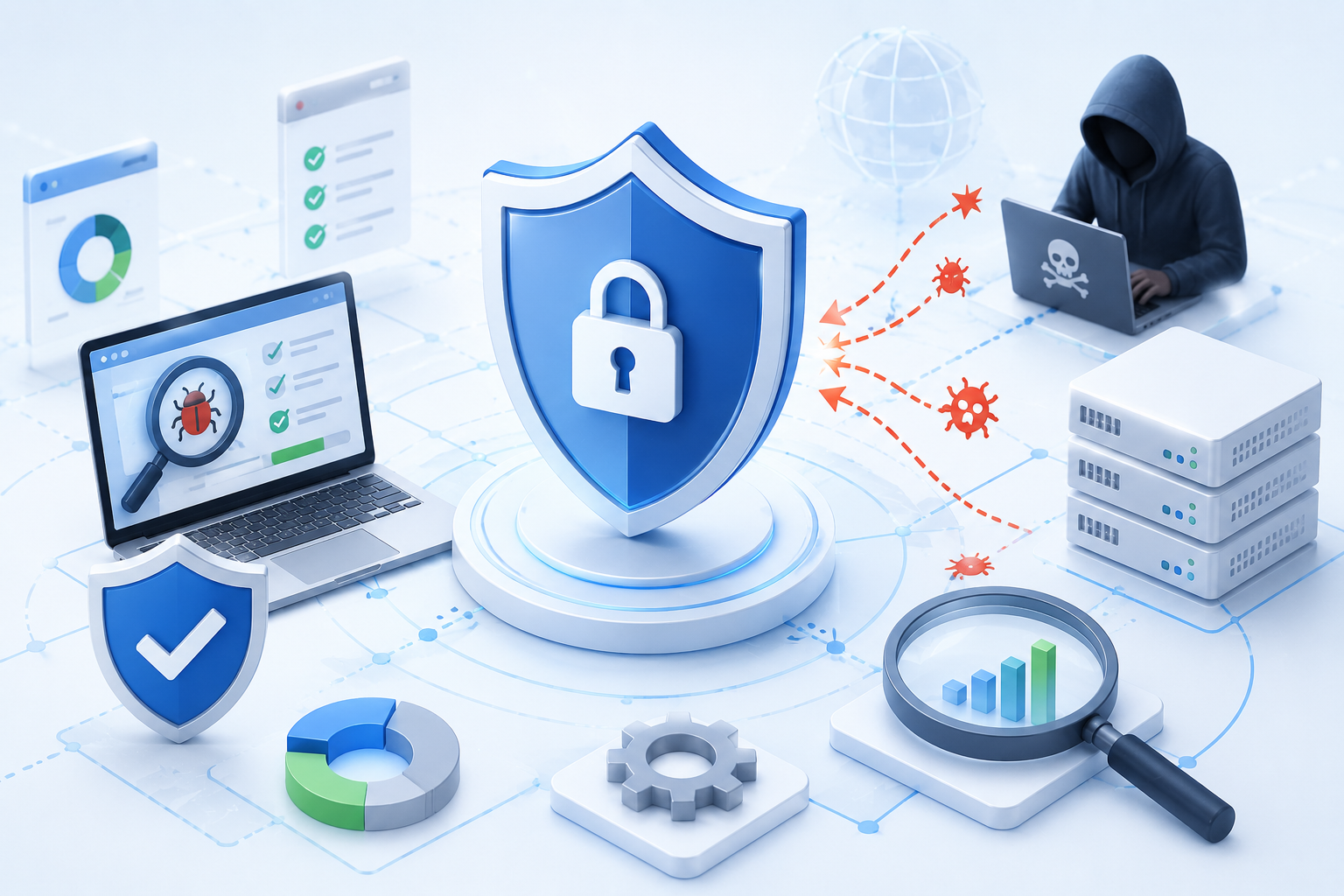
Pen Testing Services
Network Penetration Testing External and Internal
Web Application Penetration Testing
API Security Testing
Mobile Application Testing
Cloud Security Assessment
Social Engineering and Phishing Simulations
Red Team Exercises
Methodology
We follow industry standard methodologies including PTES (Penetration Testing Execution Standard), OWASP Testing Guide, and NIST SP 800-115 adapted to your environment and objectives.
Every engagement follows a structured process
Scoping and Rules of Engagement
We define objectives, targets, test windows, and boundaries before any testing begins. No surprises for your operations team.
Reconnaissance and Enumeration
We gather intelligence on your environment using the same techniques an attacker would open source intelligence, service enumeration, and technology fingerprinting.
Exploitation
We attempt to exploit identified weaknesses not just flag them. This includes manual exploitation, privilege escalation, lateral movement, and objective achievement.
Post Exploitation Analysis
We document what was accessible after gaining a foothold data, systems, credentials to demonstrate the real world impact of each finding.
Reporting
You receive two deliverables: an executive summary for leadership and a technical report for your security and engineering teams. Every finding includes severity rating, evidence, business impact, and a specific remediation recommendation.
Remediation Support
We do not disappear after the report. We support your team through remediation and conduct a retest to verify that findings have been addressed.
Our Credentials
Our penetration testers hold CEH (Certified Ethical Hacker) and OSCP (Offensive Security Certified Professional) certifications the industry benchmark for hands-on offensive security skills. OSCP in particular requires candidates to compromise live systems under examination conditions, not pass a multiple choice test.
You are working with practitioners who have demonstrated real world offensive capability, not consultants who have read about it.
Compliance Alignment
Our Services
Artificial Intelligence & Machine Learning
Cybersecurity
Digital Transformation
Cloud & Infrastructure Services
Remote Infrastructure Management
Application Development & Maintenance
Change Management & E-learning
Recruiting & Staffing Technical Talent
Mechanical Engineering
Know Your Exposure Before Your Auditor — or an Attacker — Does
Book a free discovery call. We will discuss your environment, define scope, and give you a clear picture of what a penetration test will cover and what you can expect from the findings.